
Arrest Warrants in Clarke County
A Clarke County arrest warrant is a judge's written order to bring a named person into custody. In Georgia, several judicial officers hold that power. A Superior, State, city, or Magistrate judge, or a qualified municipal judicial officer, may issue one under Georgia's arrest-warrant statute once probable cause exists. That standard means the sworn facts are strong enough for a reasonable judge to connect an alleged offense with the accused. The request can come from a police investigation or from a private application filed in Magistrate Court. Either way, a complaint or affidavit lays out the facts under oath. The judge weighs those facts independently. If the standard is met, the signed warrant permits the arrest. From there the warrant travels through clerk and law-enforcement systems until it is served, recalled, quashed, or otherwise cleared. Keep the roles straight when you check. A public booking entry is not the complete warrant instrument, and issuance alone does not decide the case.
Clarke County Arrest Warrant Applications
The Clarke County warrant-application process begins with an incident report, a completed form, correct addresses, and filing through Magistrate Court. A felony allegation adds a step. Local instructions require an investigation by Athens-Clarke County Police Criminal Investigations before a private application can be scheduled. If that unit has not reached the applicant after seven days, call CID at 706-613-3337. A pending felony investigation stays off the docket unless the detective asks for the hearing.
- Obtain the ACCPD incident report through 706-613-3330.
- Complete the application with the alleged event, location, parties, and witnesses.
- File with the Magistrate Clerk and confirm the current fee.
- Attend the noticed probable-cause hearing and present sworn evidence.
Hearings are set promptly. The date lands no sooner than two weeks out, so the accused and witnesses get notice. At the hearing the accused may cross-examine and present evidence. A finding of probable cause allows the arrest warrant to issue.
What a Clarke County Arrest Warrant Contains
Clarke warrant records lean on several identifiers, and no single public source sets one universal number format. Read the warrant number next to the case number, police case number, court, and issue date. A sample identifier may appear as case or warrant number. Only the clerk can confirm its exact format. Forms ask for detailed identity information, though public copies may redact sensitive data.
| Warrant and case numbers | Links the order to court and law-enforcement records. |
|---|---|
| Named accused | Name and enough descriptors to confirm identity without publishing protected identifiers. |
| Offense and sworn basis | Charge description, classification, complaint, or supporting affidavit. |
| Issuing authority | Court, judge, issue date, and related police case. |
| Service and return | Serving agency and whether the warrant was executed or returned. |
| Bond or hold | Amount, no-bond notation, or another authority's hold when recorded. |
A booking snapshot can add court jurisdiction, the arresting agency, booking and release times, bond, and the warrant number. It still cannot show every affidavit. Nor does it show that the underlying case has ended.
Clarke County Arrest Warrant Hearings
The Clarke County warrant hearing tests probable cause, nothing more. A private applicant presents sworn facts. The accused gets notice, may question witnesses, may offer evidence, and holds rights to silence and counsel. A finding authorizes process, but the trial court later decides the charge under a higher standard. Clarke County keeps a record of these hearings. To get a copy, send a written request naming the parties and hearing date and pay the published $10 recording charge. The Magistrate Court also runs preliminary and bond hearings, and its Criminal and Bad Checks Division processes applications and generates criminal arrest warrants. For cases moving into the higher courts, the Clerk of Superior & State Courts explains its criminal-record custody.
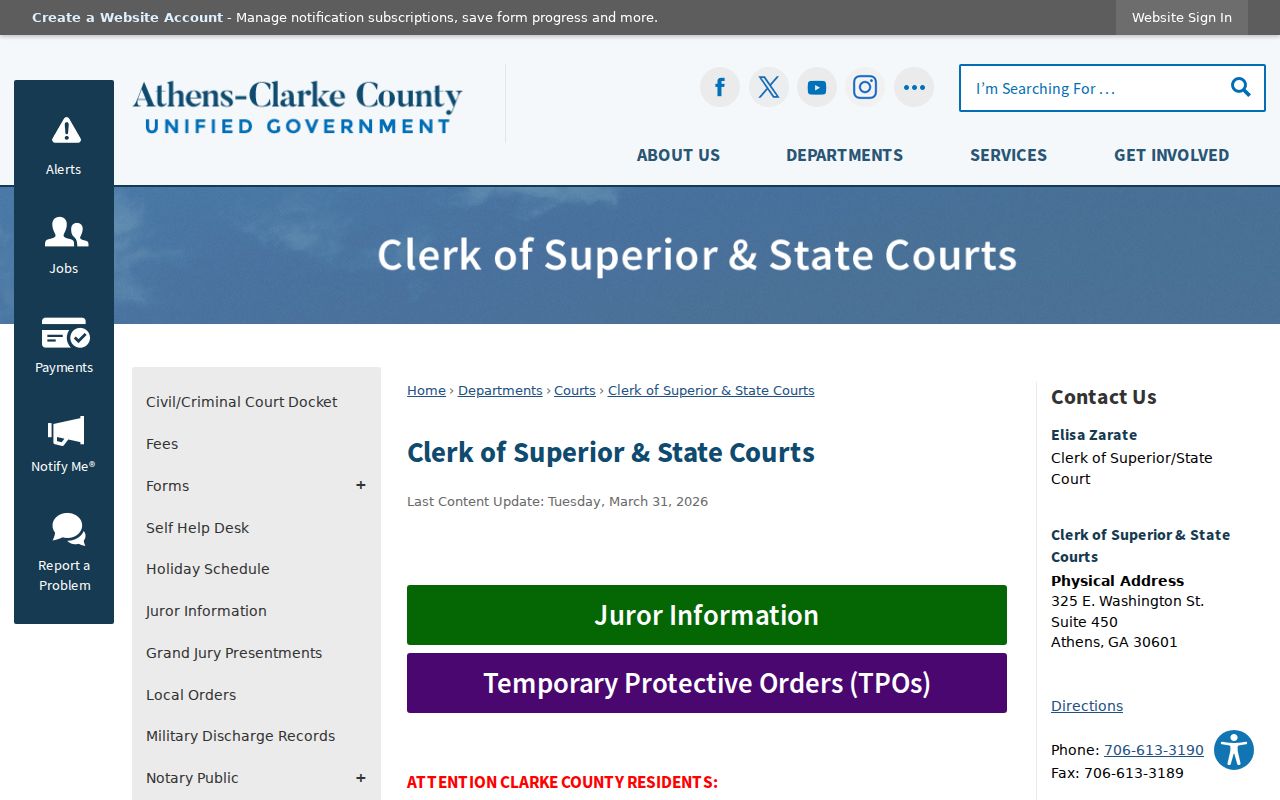
The official page behind the image sorts out custody after issuance. Magistrate keeps the application record. The combined clerk keeps Superior and State Court criminal actions in Clarke County.
How Clarke County Arrest Warrants Are Served
The Clarke County Sheriff's Office serves criminal warrants, handles extradition and transport, runs the jail, and guards the courthouse. ACCPD policy adds that its own sworn officers serve departmental arrest warrants. Before any service, the officer verifies validity and identity. The check uses the name, address, date of birth, physical description, fingerprints when available, and other known facts, which guards against arresting the wrong person. Service can happen during direct contact, a planned surrender, or another lawful encounter. After arrest, booking takes place at the Clarke County Jail. First appearances occur daily. Weekday hearings are normally at the courthouse, while weekend and holiday hearings happen at the jail. The judge takes up bail and release conditions and shares information about appointed counsel. The sheriff's official service page lays out its warrant and jail duties.
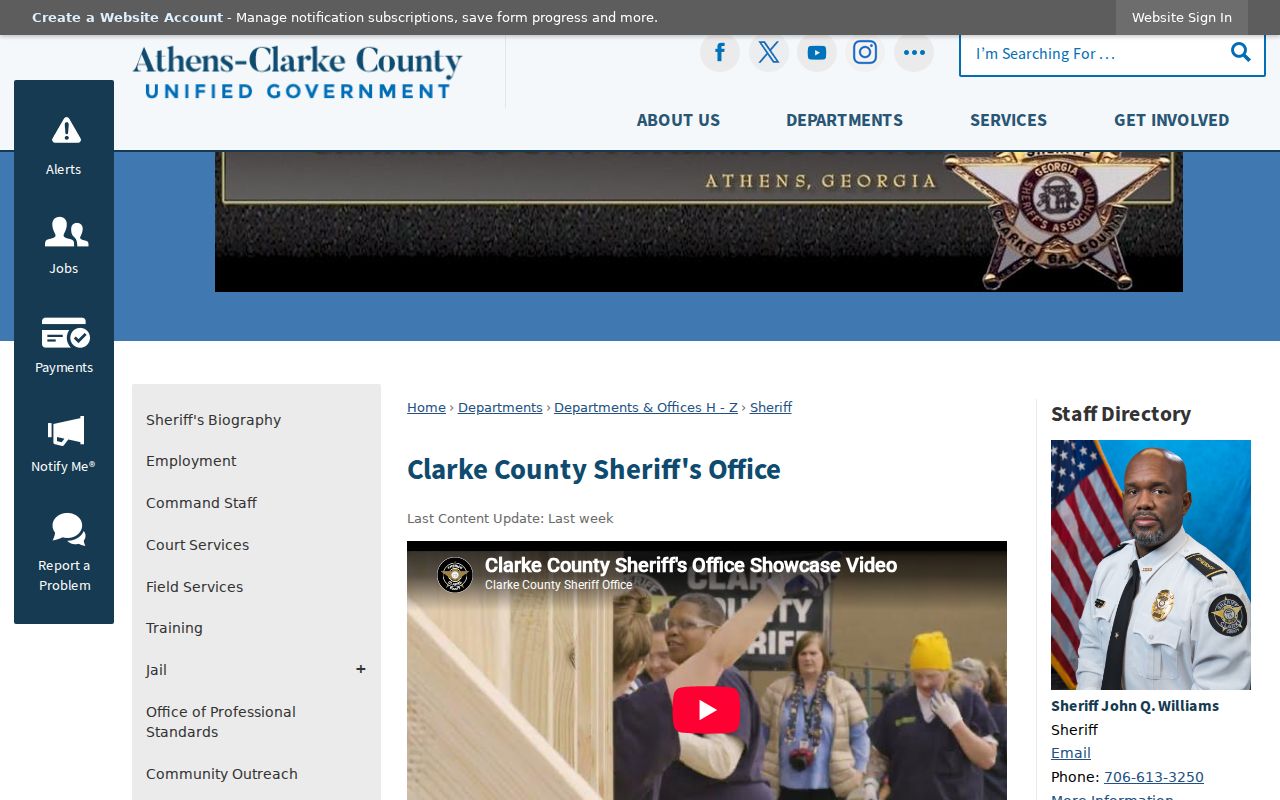
That service summary explains why the sheriff remains a key confirmation channel. It holds true even when another Clarke County officer obtained or served the warrant.
Clarke County Arrest Warrant Courts
Where does a Clarke County arrest warrant start? ACCPD's local rule sends traffic, misdemeanor, and felony arrest warrants to Municipal, Magistrate, or State Court judges first. If none of those judges is available, a Superior Court judge steps in. Federal investigations that need arrest or search process go to a federal, Superior, or State Court judge instead. Assume nothing begins automatically in Superior Court. The issuing court keeps the legal record, so it pays to know which one holds yours. Magistrate Court is the county's entry point for applications and early hearings. State Court takes misdemeanors, traffic, DUI, and probation, while Superior Court handles felonies. Athens-Clarke Municipal Court covers ordinances, misdemeanor traffic including DUI, and specified misdemeanors. The official Juvenile Court page shows a separate, restricted track, and Clarke County juvenile records do not surface in an ordinary public warrant search.
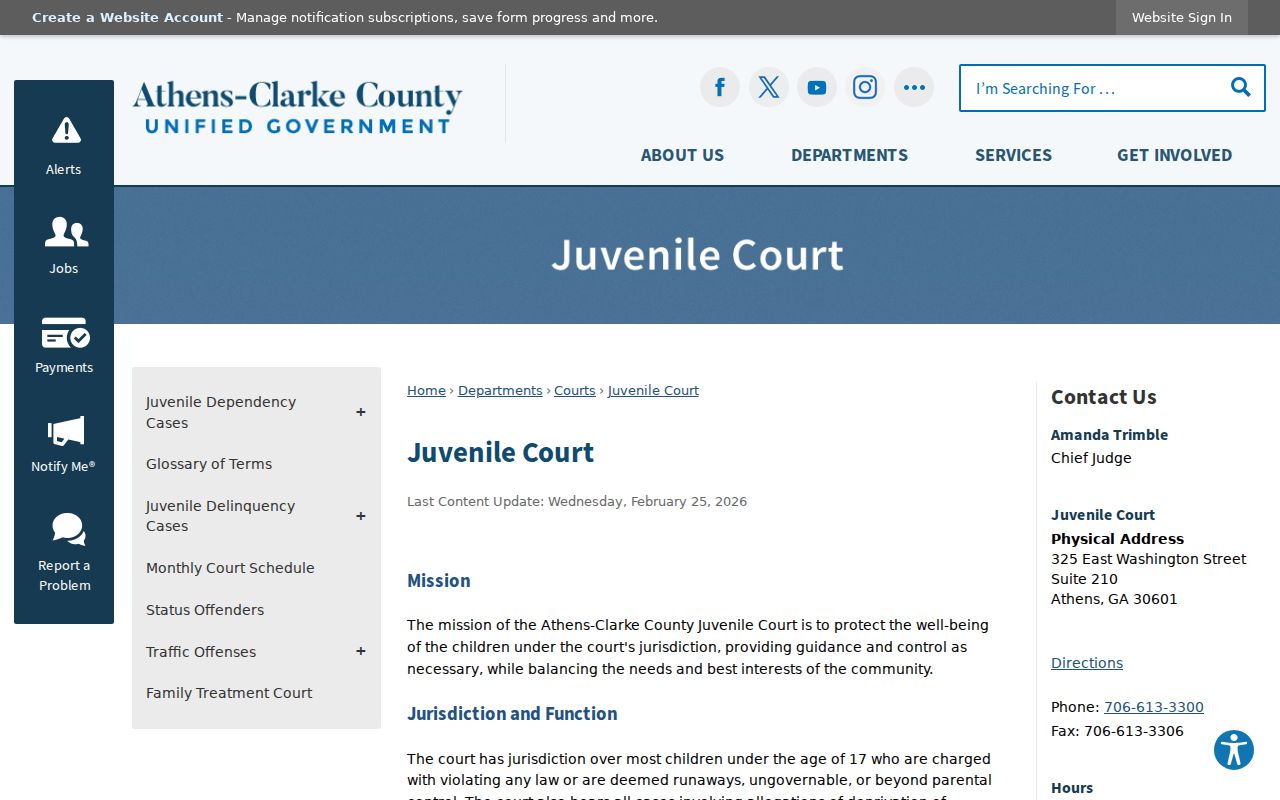
Juvenile records work differently. Clarke County does not treat juvenile warrant or law-enforcement records like adult public court files, so expect them to stay closed to ordinary search.
Arrest Warrant vs Summons vs Bench Warrant
Each document demands its own response. An arrest warrant allows custody once probable cause is reviewed. A summons just orders you to appear. A bench warrant answers a missed duty in a case already open. Skipping a summons can trigger a later bench warrant in Clarke County, but the summons itself never becomes an arrest warrant.
| Feature | Arrest warrant | Summons | Bench warrant |
|---|---|---|---|
| Basis | Probable cause of an offense | Notice to answer a matter | FTA, contempt, or missed order |
| Direction | Take the accused into custody | Appear on the stated date | Bring the person before court |
| Response | Counsel, arranged surrender, booking, bond | Appear as directed | Ask issuing court about recall or appearance |
The Clarke County bench-warrant process covers missed court duties in more depth. Whatever the document is, verify it directly rather than trusting a broad booking label.
Clarke County Arrest Booking Records
A booking record is built after an arrest, not before. It may list the court jurisdiction, alleged charge, crime type, arresting agency, bond amount, booking and release times, warrant number, and police case number. A year of birth and a few descriptors often appear too. Those fields help match the right file. They are not the probable-cause affidavit, though, and they do not settle final case status. Clarke County's current inmate material is unofficial and can lag 24 hours before refreshing every 15 minutes. If a name does not turn up, call the sheriff at 706-613-3250 and the issuing clerk. For an existing public record that is not online, Sheriff Open Records takes 762-400-8013 and sheriff_orr@accgov.com. Georgia offers no single public statewide warrant search. Work the offices one by one.
- Served
- The warrant was executed or returned as served.
- Recalled
- The issuing court withdrew the process.
- No bond or hold
- No release amount is shown, or another authority must act.
- First appearance
- An early hearing about rights, counsel, bail, and conditions, not guilt.
Clarke County Courthouse Warrant Route
The Athens courthouse complex houses the Clerk of Superior & State Courts, court administration, and the sheriff. Shared walls do not blur their jobs. The clerk confirms what is in the court file. A judge controls orders and bond inside the case. The sheriff confirms service and custody, nothing more. Ask Clarke County which office owns the fact you need before you drive over. The official courthouse history and facility page identifies the court setting and its background.
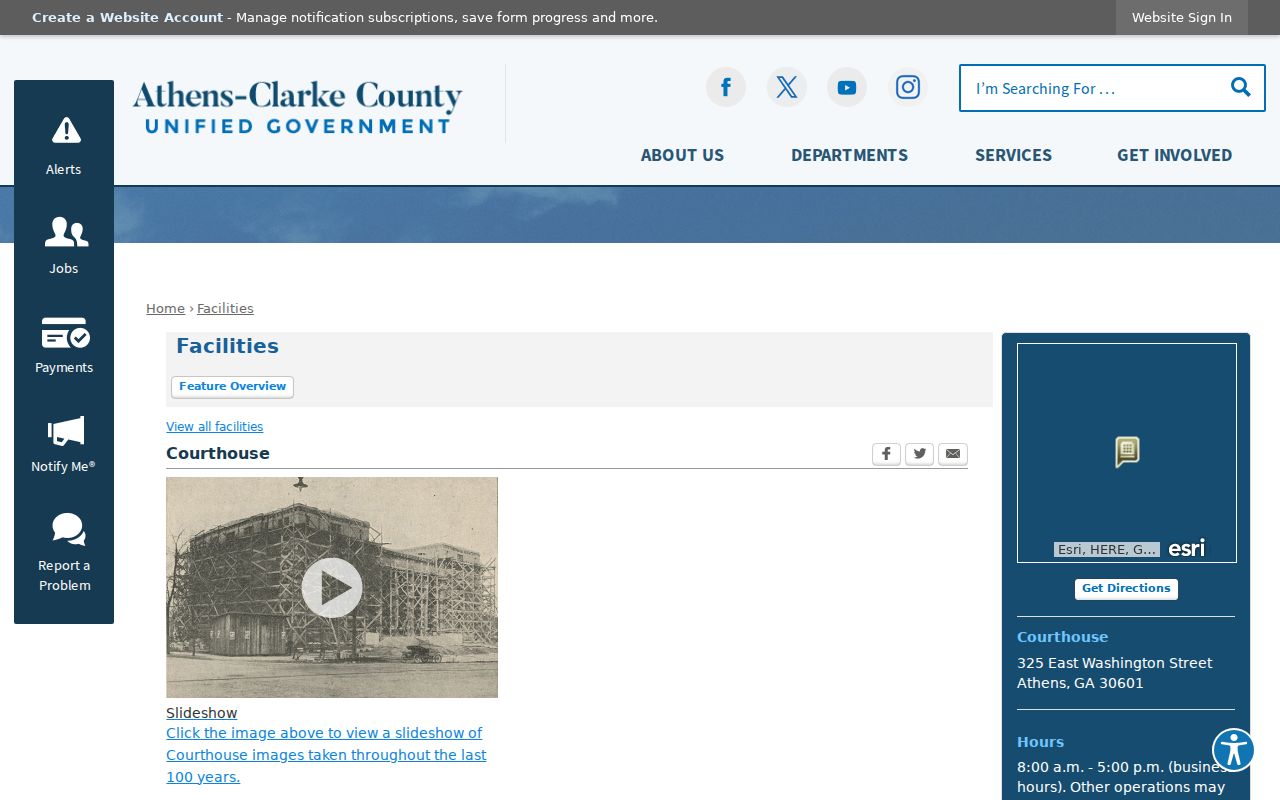
The sheriff sits at 325 E. Washington Street, Suite 125. The combined clerk uses Suite 450. Confirm locations before a Clarke County visit, since a new Judicial Center project may shift future access.
Clerk of Superior & State Courts
Criminal case records in those courts
706-613-3190
Clarke County Sheriff
Criminal warrant service and confirmation
706-613-3250
What to Do If There's a Warrant for You
Do not argue the facts with a clerk. Get the warrant number first. Then confirm the issuing court, any bond or hold notation, and present status. With that in hand, ask a defense lawyer whether the court allows an arranged surrender or walk-through. Clarke County promises none of it: no guaranteed walk-in window, no universal bond schedule, and no assurance of release just for showing up at the sheriff's office.
- Confirm the warrant with the issuing court and sheriff.
- Ask counsel about surrender timing, bond, and any motion the case may permit.
- Prepare for booking and first appearance rather than assuming immediate release.
- Keep each court order, bond paper, and release record.
- Recheck the clerk and sheriff systems after action is complete.
Important: Get legal advice before surrender. A confirmed active arrest warrant can be served during later lawful contact with police.
A recall or quash order withdraws the warrant. It does not necessarily dismiss the charge. Posting bond secures appearance on the court's terms, and voluntary surrender addresses service, yet the Clarke County case stays open until the court finishes it.